English
 September 19, 2026

leave a message
If you are interested in our products and want to know more details,please leave a message here,we will reply you as soon as we can.


Purchasing an industrial flake ice maker machine is a significant capital investment. Unlike buying a small countertop ice maker, an industrial system will operate for thousands of hours annually, often in harsh environments like seafood processing plants, concrete cooling facilities, or fishing ports. Yet many buyers fall into the same traps: focusing solely on the upfront price, ignoring true capacity needs, or underestimating long-term maintenance costs. This guide walks you through exactly what to evaluate before you sign any purchase order, highlighting common mistakes and how to avoid them.
Every industry uses flake ice differently. Before you even look at capacity charts, answer this: What will the ice be used for?
If you skip this step, you risk buying a general-purpose machine that underperforms in your specific environment. For instance, a standard flake ice maker machine built for bakeries will quickly corrode in a seafood plant’s salty, humid air.
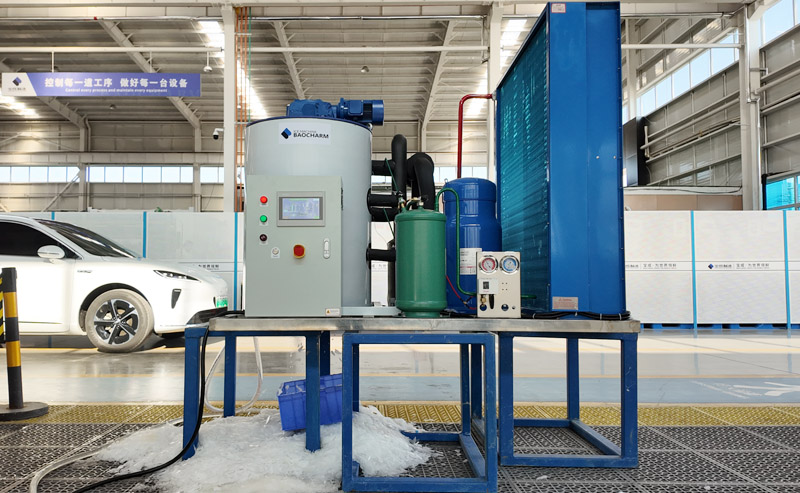
A 5 ton flake ice machine sounds straightforward: it produces 5 metric tons of flake ice every 24 hours. But here is where many suppliers obscure reality. Rated capacity is typically measured under ideal conditions: 32°C ambient temperature, 20°C inlet water temperature. Your actual operating environment may be 38°C with 28°C water. In that case, a 5-ton machine might only deliver 3.8–4.2 tons per day.
What to ask every vendor:
For example, a true industrial flake ice machine will include a generously oversized condenser and compressor to maintain output even in tropical climates. Cheap units cut corners here, leading to a 20–30% capacity loss on hot days.
Corrosion is the number one killer of industrial ice makers. The evaporator drum, scrapers, water distribution system, and storage bin all contact water and ice constantly. Low-cost machines use painted carbon steel or low-grade 201 stainless steel. Within 12–18 months in a seafood or marine environment, rust flakes will contaminate your ice and the evaporator will start leaking refrigerant.
Non-negotiable features for any serious buyer:
A durable flake ice maker built this way will easily last 8–10 years with proper maintenance. The cheap alternative? Expect replacement or major repairs in under 3 years.
Your total cost of ownership includes much more than the purchase price. Three hidden expenses catch buyers off guard:
Energy consumption per ton – Industrial flake ice maker machine units consume between 55 and 85 kWh per metric ton of ice, depending on efficiency. A 5-ton machine running 300 days per year at $0.12/kWh represents an annual electricity cost of $9,900 to $15,300. Choosing an energy-efficient model (with variable frequency drive compressors and optimized evaporator design) can save you $3,000–5,000 every year.
Water usage – Flake ice machines typically use 1.1–1.3 m³ of water per ton of ice produced (the excess is reject water). Over a year, a 5-ton unit may consume 1,800 m³. In water-scarce or high-cost regions, look for units with water recirculation systems that reduce consumption by 30%.
Maintenance and spare parts – Cheap machines use off-brand compressors, custom-molded plastic parts, and non-standard refrigerant oils. When something breaks (and it will), you may wait weeks for parts shipped from overseas. Reputable manufacturers design with commonly available components. Ask for a list of spare parts: blades, water pumps, bearings, and compressor seals. Are they standard industry items?
Checklist for manufacturer credibility:
| Pitfall | Why It Hurts | How to Avoid |
| Choosing based on lowest price | Hidden quality issues lead to frequent breakdowns and high energy bills | Calculate 5-year total cost (purchase + energy + maintenance) |
| Ignoring ambient conditions | Capacity drops drastically in hot or humid environments | Request performance data at your site’s worst-case temperature |
| Overlooking water quality | Hard water scales the evaporator; dirty water clogs nozzles | Install water pre-filtration; ask if the machine has self-cleaning mode |
| Forgetting about noise and heat rejection | Condenser heat can raise room temperature by 10°C, affecting other equipment | Plan condenser location (air-cooled vs. water-cooled) during layout |
| Skipping operator training | Improper cleaning and blade adjustments accelerate wear | Insist on on-site training and detailed manuals |
| No service contract | When the machine fails during peak season, you wait for weeks | Negotiate a preventive maintenance schedule with spare parts kit |
Choosing an industrial flake ice maker machine is about matching real-world needs to robust engineering. Start with your application – whether it is a flake ice machine for seafood preservation or concrete cooling. Verify true capacity under your local conditions. Prioritize stainless steel construction and energy efficiency. Calculate long-term operating costs, not just the sticker price. And always vet the manufacturer’s track record and support network.
A well-chosen 5 ton flake ice machine from a reputable supplier will serve your operation reliably for a decade. A poorly chosen one becomes a costly, frustrating paperweight.
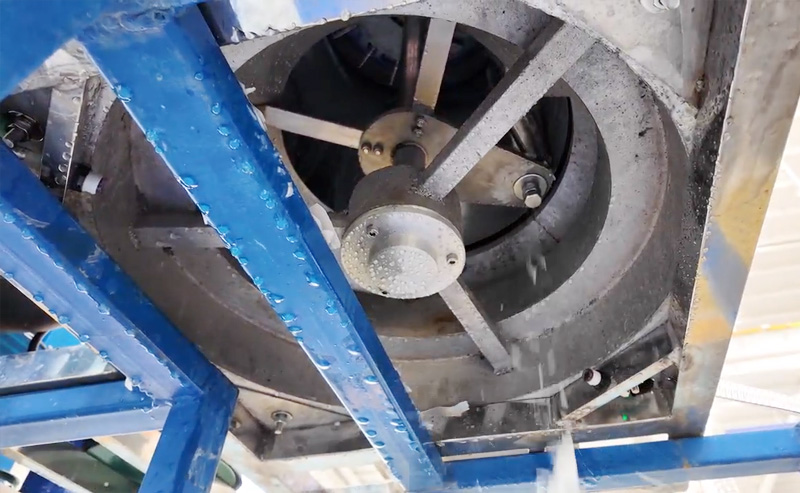
At BAOCHARM, we design and manufacture industrial flake ice machines for demanding applications worldwide – from seafood harbors to concrete batching plants. Our engineers provide transparent performance charts, on-site capacity calculations, and full after-sales support. We do not hide behind brochures; we help you make the right choice for your specific conditions.
Contact BAOCHARM for a Free Sizing Consultation
Tell us your daily ice requirement, ambient temperature range, water source, and application. We will respond with a detailed proposal within 24 hours.


Our Contacts
Email: sales@baocharm.com
WhatsApp: +86 17663537579
Wechat: +86 17663537579
Working Hours: Mon ~ Sat 8:30 AM - 5:30 PM
 IPv6 network supported